
SUMMERVILLE, SC – October 23, 2026 – PRESSADVANTAGE –
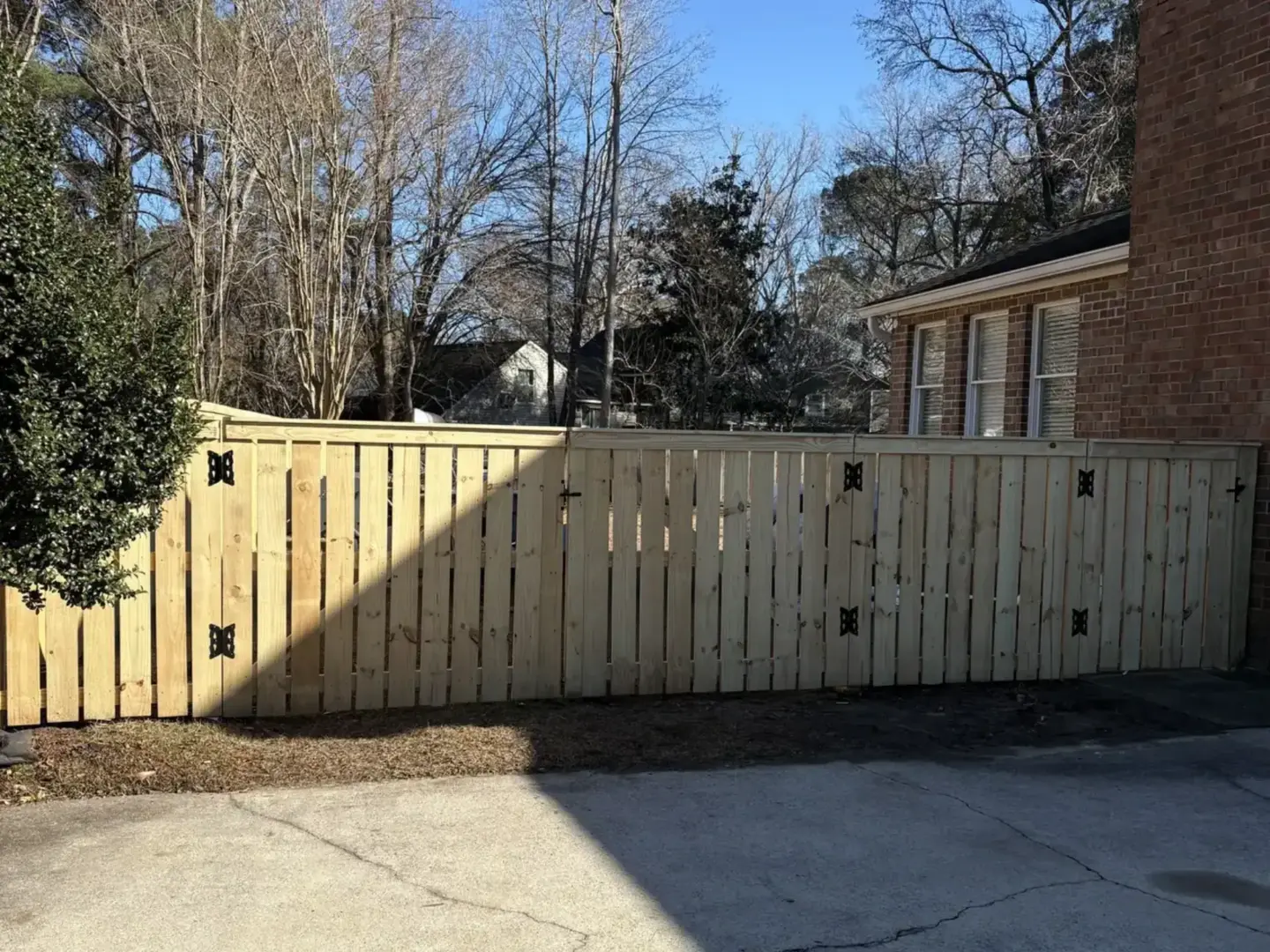
South Carolina’s updated Underground Facility Damage Prevention Act took effect May 22, 2026, changing the excavation rules that govern fence-post digging for contractors including Carolina Fence Company. The revised statute and SC811’s 2026 excavator manual put locate notices, operator responses and methods of digging near marked utilities into the planning sequence for fall fence projects.
The state’s code requires an excavator to give notice before ordinary excavation, with three to twelve full working days between the notice and the proposed start date. The day the notice is made, weekends and legal holidays do not count toward that window. A request does not itself mean a crew can immediately start digging. SC811’s manual directs excavators to check positive responses, confirm that required locates have been completed and inspect for indications of unmarked facilities before starting work. This applies even when the excavation is for a small number of fence posts rather than a larger construction site.
The 2026 law also changed how operators communicate the status of a locate. SC811 describes the positive-response system as the place where excavators confirm markings and other operator information before work begins. A mark on the ground should not be treated as proof that every operator has responded. The excavator must reconcile the ticket and the response record for the work area. If a facility has not been marked or the response is incomplete, the next step is to resolve that status through the notification system rather than assume the absence of paint means the area is clear.
For a homeowner scheduling a fence installation, the notice period is a practical constraint rather than a discretionary contractor delay. The project start depends on when a valid notice can be made, when utility operators respond and whether the proposed layout conflicts with marked facilities. A property line plan may show where a fence is intended to run but not the position of every buried utility. The two kinds of information have different jobs: one describes the proposed boundary, while the locate process addresses certain underground facilities near the excavation.
SC811 says its member-operator process does not necessarily identify privately owned facilities. Its 2026 manual gives examples that include water or sewer lines between a main service connection and a building, irrigation lines, private communications wiring and buried lighting. Owners and contractors may need separate information or private locating arrangements for those facilities. A completed public locate therefore is not a blanket certification that every pipe and cable below the yard has been found. The excavation route and conditions on the actual property still require attention.
The revised rules address the tolerance zone around a marked facility. The statute defines that zone as half the known facility diameter plus 24 inches on either side of the marked center line; when the diameter is not marked, it is 24 inches from the outside edge of the mark. Separate rules apply to facilities under water. The new statute limits excavation methods in that zone, and SC811 describes approved soft digging and visual confirmation of clearance as central requirements. The exact permitted method depends on the facility and conditions; a contractor cannot infer from a painted line alone that a powered auger is safe beside it. Fence layout or post placement may need to change when a marked line falls close to the proposed run.
Locate tickets also have a time boundary. SC811’s 2026 excavator manual states that a normal request is valid for 15 working days from its start time. If the work continues beyond that period, an extension must be requested under the current process; it is inaccurate to assume that old markings remain valid indefinitely or that every delay requires starting the entire project over. When marks become unclear, the manual distinguishes a remark request from an extension. Those distinctions are material to a project whose excavation occurs in stages or whose schedule changes after the original ticket is issued.
Carolina Fence Company is a family-owned contractor whose reported work includes residential and commercial fencing in the Charleston and Summerville areas. Its client-reported process lists design and estimates, permit and HOA applications where required, installation, cleanup and a final walkthrough. The updated law applies to excavation associated with that work; the company’s specific ticketing procedure has not been independently documented.
###
For more information about Carolina Fence Company, contact the company here:
Carolina Fence Company – Summerville
Alex Buckman
+18433058284
alex@carolinafencecompany.com
1544 State Rd Suite 107, Summerville, SC 29486, United States
Media gallery



