
New York, New York – September 18, 2026 – PRESSADVANTAGE –
A series of 2026 U.S. Consumer Product Safety Commission actions involving treadmill hazards has drawn attention to a factor many home users overlook: the room around the machine. Home Gym Specs, an engineering-informed home gym planning resource, is addressing how clearance, electrical connection, circulation paths and physical layout influence how safely cardio equipment operates.
On August 4, 2026, CPSC announced that Johnson Health Tech Trading agreed to pay a $16.875 million civil penalty related to a failure to immediately report a treadmill defect that could cause unexpected acceleration, stopping or speed changes. CPSC cited at least 874 reports and 71 reports of consumer injury between March 2018 and October 2022.
Two additional 2026 actions illustrate that treadmill safety concerns span several distinct failure modes. On April 16, 2026, CPSC warned consumers to stop using specified Sperax walking pads and treadmills, citing 201 speed and stability-related incidents resulting in at least 66 falls or injuries, along with 573 overheating, fire or other thermal incidents and four minor burns. On January 22, 2026, CPSC expanded a recall covering approximately 47,000 Matrix and Vision treadmills because a power cord could loosen at the socket and create a fire hazard, following 27 overheating reports.
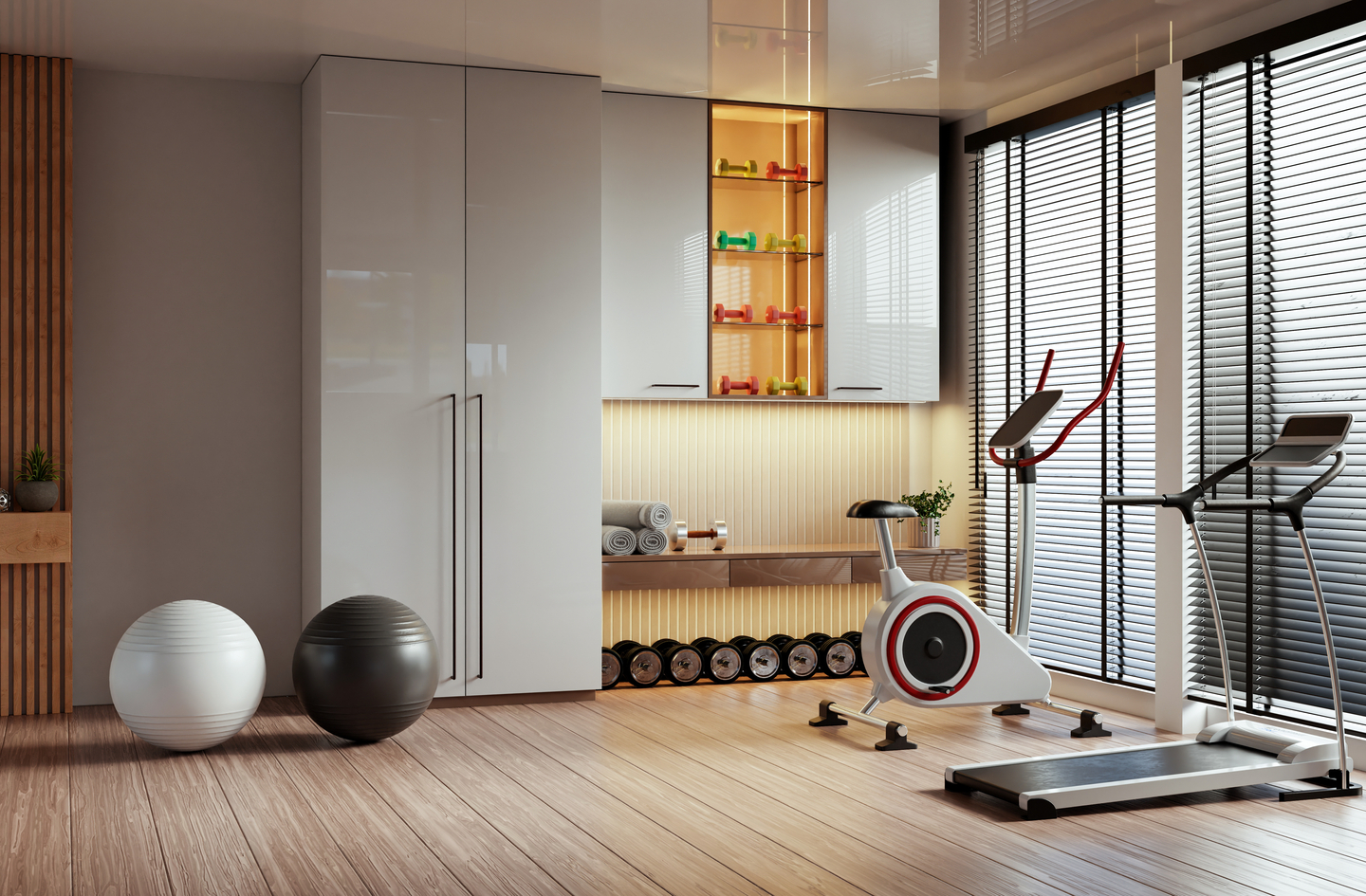
The company frames four practical points. A treadmill footprint is not the complete space requirement, since the usable zone also includes mounting and dismounting space, an unobstructed area around moving parts and circulation paths. The Home Gym Specs Folding Treadmill Placement Guide addresses planning both the operational and stored configurations rather than measuring only the machine body.
“Placement is not a fix for a defective machine, and it should never be presented that way,” said Oded Feigin of Home Gym Specs. “What the room can do is reduce the consequences of an abnormal event. If a treadmill suddenly changes speed or stops, the walls, furniture and storage immediately around a user determine how much space that person has to react.”
Electrical planning belongs in the layout decision. Powered cardio equipment should be positioned only after checking manufacturer requirements, available outlets, cord routing and circuit suitability, avoiding cords stretched across walking zones. Questions about circuit capacity should go to a licensed electrician. These considerations sit within the Home Gym Specs Cardio Equipment Placement Guide, which treats operating footprint, clearance, ceiling height, floor condition, power supply and airflow as connected variables.
Home Gym Specs emphasizes that proper placement cannot repair or compensate for a recalled or unsafe machine. Consumers affected by a warning or recall should follow CPSC instructions first. Once equipment is confirmed suitable for use, the surrounding room becomes a second layer that shapes practical safety.
The same logic extends beyond treadmills. Ellipticals introduce a moving stride envelope, side access needs and ceiling considerations, detailed in the Home Gym Specs Elliptical Space Requirements Guide, which treats published machine dimensions as only part of the functional space requirement.
Home Gym Specs, founded by Oded Feigin, provides engineering and planning guides for home gyms, helping homeowners design training spaces as engineered systems that account for structural readiness, airflow, lighting, clearance and storage. The company also publishes equipment reviews and organized topic hubs, and operates as a reader-supported site earning income through affiliate links.
###
For more information about Home Gym Specs, contact the company here:
Home Gym Specs
Oded Feigin
info@homegymspecs.com
144-42 Jewel Avenue
Flushing, NY 11367
United States


