BATON ROUGE, LA, UNITED STATES, June 11, 2026 /EINPresswire.com/ —
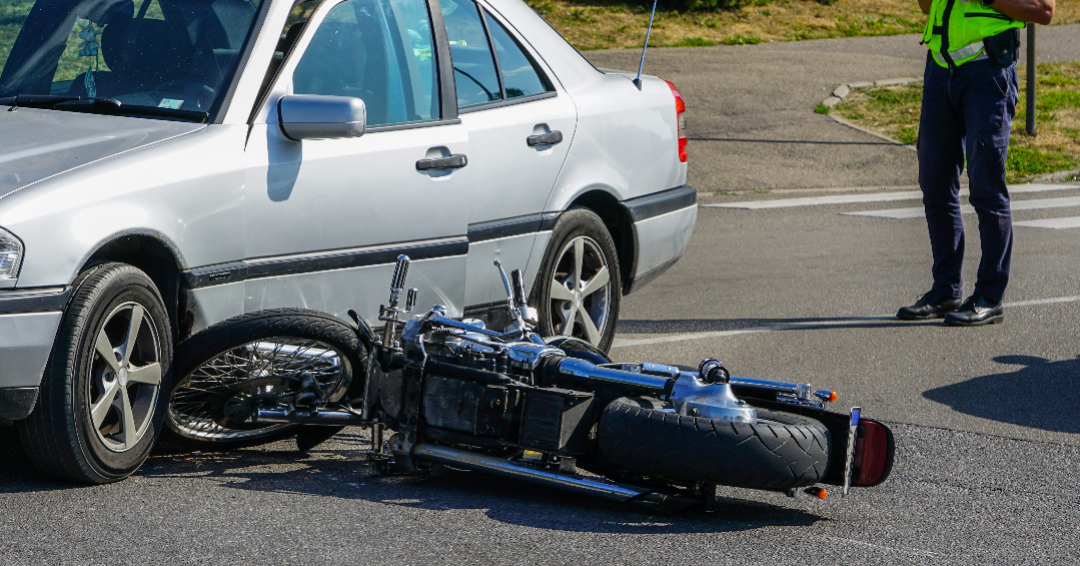
Motorcycle travel offers a transportation experience that differs significantly from driving a passenger vehicle. While motorcycles provide mobility and efficiency, the design of a motorcycle creates circumstances that can expose riders to different injury risks when accidents occur. As a result, motorcycle crashes frequently present injury patterns and recovery challenges that differ from those commonly associated with automobile collisions.
Unlike occupants of passenger vehicles, motorcycle riders do not benefit from many of the protective features found in modern automobiles. Seat belts, airbags, reinforced vehicle frames, crumple zones, and enclosed passenger compartments provide layers of protection during many vehicle collisions. Motorcycles, by design, leave riders more exposed to external forces and direct impacts.
Because of this exposure, injuries sustained in motorcycle accidents often involve multiple areas of the body. Even collisions occurring at relatively moderate speeds may result in significant physical trauma depending on the circumstances of the crash.
One of the most commonly discussed injury categories associated with motorcycle accidents involves orthopedic trauma. Fractures affecting the arms, legs, wrists, ankles, hips, ribs, and collarbones frequently occur when riders are thrown from a motorcycle or when a motorcycle falls onto the rider during a collision. The lack of structural protection surrounding the rider often increases the likelihood of direct impact injuries.
Head injuries remain another major concern in motorcycle crashes. Helmets can significantly reduce the risk of severe head trauma, but traumatic brain injuries may still occur depending on impact conditions and collision severity. Concussions, skull fractures, and other forms of head trauma may require extensive medical evaluation and treatment following an accident.
Spinal injuries are also frequently associated with motorcycle collisions. Damage involving the neck, back, spinal discs, vertebrae, or spinal cord can occur when riders experience sudden impacts, falls, or forceful contact with vehicles, road surfaces, or fixed objects. The severity of spinal injuries can vary widely, ranging from soft tissue damage to more significant neurological complications.
Road rash represents another injury category that is more commonly associated with motorcycle accidents than traditional automobile collisions. When a rider slides across pavement after being separated from a motorcycle, skin and soft tissue injuries may occur. Depending on the extent of the abrasion, treatment may involve wound care, skin grafting procedures, infection prevention measures, and long-term rehabilitation.
Internal injuries can present additional challenges following motorcycle accidents. Damage involving internal organs, internal bleeding, and trauma to the chest or abdominal region may not always be immediately apparent at the accident scene. Prompt medical evaluation often plays an important role in identifying these injuries and determining appropriate treatment.
Motorcycle accidents can also result in long-term physical consequences that extend beyond initial emergency care. Rehabilitation programs, physical therapy, occupational therapy, pain management treatment, and follow-up medical care may become necessary components of recovery for some injured riders.
Visibility factors frequently contribute to motorcycle accidents as well. Motorcycles occupy a smaller visual profile than passenger vehicles, which can make them more difficult for other motorists to detect under certain conditions. Intersections, lane changes, turning movements, and congested traffic environments are commonly cited in discussions regarding motorcycle crash scenarios.
Weather conditions, road hazards, and roadway surface conditions may also affect motorcycle operation differently than larger vehicles. Gravel, standing water, uneven pavement, potholes, debris, and other roadway conditions can create stability challenges that may increase accident risks for riders.
According to Rick Tadda, a lawyer with The Tadda Law Firm Injury Attorneys in Baton Rouge, understanding the unique nature of motorcycle injuries is important when evaluating the impact of a crash on an injured individual.
“Motorcycle accidents often involve injury patterns that differ significantly from those seen in many passenger vehicle collisions,” said Tadda. “The physical exposure associated with motorcycle travel can result in injuries affecting multiple areas of the body, and recovery may involve extensive medical treatment and rehabilitation depending on the circumstances.”
Healthcare providers frequently emphasize the importance of prompt medical evaluation following motorcycle accidents, even when injuries initially appear minor. Certain conditions, including internal injuries, concussions, and soft tissue damage, may become more apparent in the hours or days following a collision.
Protective equipment remains an important part of motorcycle safety discussions. Helmets, protective jackets, gloves, riding pants, boots, and other specialized gear can help reduce injury severity during certain types of accidents. While protective equipment cannot eliminate risk entirely, safety professionals continue to recognize its role in reducing injury exposure.
As motorcycle ownership and recreational riding remain popular throughout Louisiana and across the United States, awareness of motorcycle-specific injury risks continues to be an important aspect of public safety education. Understanding how motorcycle accidents differ from traditional vehicle collisions can help riders, motorists, healthcare providers, and legal professionals better appreciate the unique challenges associated with these incidents.
While every accident involves its own circumstances, the injury risks associated with motorcycle travel highlight the importance of safety awareness, proper protective equipment, responsible driving practices, and prompt medical attention when collisions occur. By understanding these factors, individuals can gain a clearer perspective on the distinct injury considerations that often accompany motorcycle accidents.
Morgan Thomas
Rhino Digital, LLC
+1 504-875-5036
email us here
Visit us on social media:
Facebook
Legal Disclaimer:
EIN Presswire provides this news content “as is” without warranty of any kind. We do not accept any responsibility or liability
for the accuracy, content, images, videos, licenses, completeness, legality, or reliability of the information contained in this
article. If you have any complaints or copyright issues related to this article, kindly contact the author above.

Media gallery