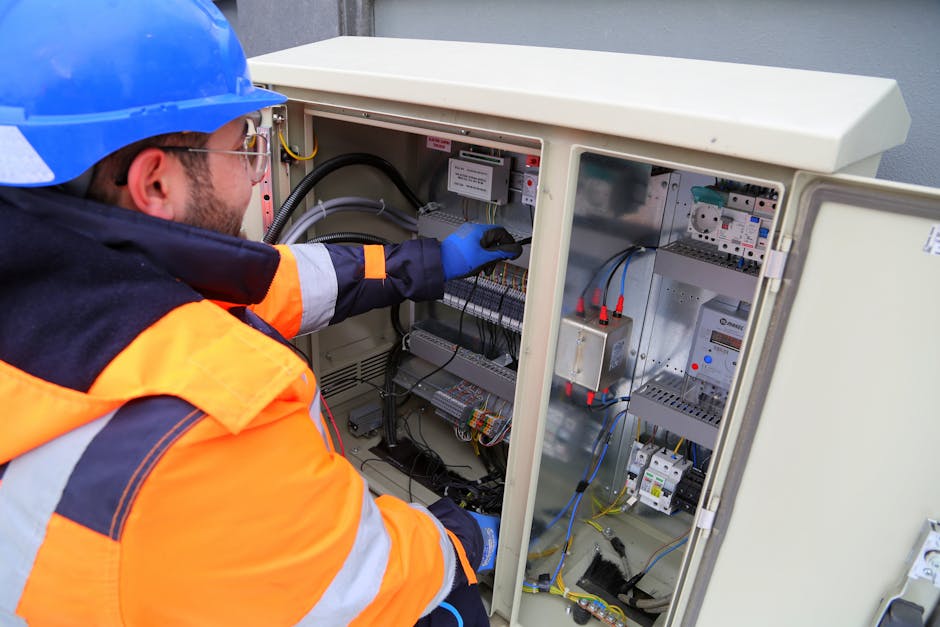
Key Takeaways
- Frequent circuit breaker tripping signals serious electrical problems that can lead to house fires and electrocution hazards, requiring immediate professional attention
- Three hidden dangers behind constant tripping include overloaded circuits, short circuits from damaged wiring, and ground faults, creating shock risks
- Warning signs like buzzing sounds, burning smells, and flickering lights often accompany breaker issues and indicate failing electrical panels
- Old wiring systems cannot safely handle modern electrical demands from today’s high-powered appliances and devices
- Ignoring these warning signs costs homeowners thousands in fire damage, appliance replacement, and potential injury liability
When circuit breakers trip occasionally, normal electrical protection is at work. However, when breakers trip frequently or constantly, homeowners face a dangerous warning sign that demands immediate attention. Understanding what causes these trips and recognizing associated warning signs can literally save lives and prevent devastating property damage.
Why Circuit Breakers Trip Constantly
Circuit breakers act as safety guards for home electrical systems, automatically shutting off power when they detect dangerous conditions. Constant tripping indicates the breaker is working overtime to protect against hazardous electrical situations that could otherwise result in fires or electrocution.
According to Fort Wayne experts from Mister Sparky, the most common reason for frequent tripping involves overloaded circuits — when too many appliances or devices draw power from a single circuit, exceeding its designed capacity. Modern households often push older electrical systems beyond their limits, forcing breakers to trip repeatedly as a protective measure.
Three Hidden Dangers Behind Frequent Trips
Overloaded Circuits Leading to Fire Risk
Overloaded circuits create excessive heat in wiring systems, dramatically increasing fire risk throughout the home. When electrical demand exceeds circuit capacity, wires heat up beyond safe operating temperatures. This overheating can melt wire insulation, create sparks, and ignite surrounding materials like wood framing or insulation.
The U.S. Fire Administration reports that electrical malfunctions rank among the leading causes of residential fires — and overloaded circuits are widely considered a major contributing factor. Many homeowners unknowingly overload circuits by plugging multiple high-wattage appliances into the same electrical pathway, particularly in kitchens and entertainment areas where power demands run highest.
Short Circuits from Damaged Wiring
Short circuits occur when electrical current takes an unintended path, often through damaged wire insulation or loose connections. This creates a sudden surge of electricity that generates dangerous heat and sparks. Short circuits can develop gradually as wire insulation deteriorates over time, or suddenly due to physical damage from renovations, pest activity, or natural settling.
Unlike overloaded circuits that build heat slowly, short circuits can cause immediate fires or explosions. The rapid electrical discharge creates temperatures hot enough to ignite nearby combustible materials instantly, making short circuit detection and repair critically urgent for homeowner safety.
Ground Faults Creating Electrocution Hazards
Ground faults develop when electrical current escapes its intended path and flows to ground through water, metal, or human contact. These faults commonly occur in bathrooms, kitchens, basements, and outdoor areas where moisture increases conductivity. When hot wires touch ground wires or grounded metal parts, the resulting electrical discharge can cause severe injury or death.
Ground fault circuit interrupters (GFCIs) protect many newer installations, but older homes often lack this safety equipment. Without proper GFCI protection, even minor ground faults can create lethal electrocution risks for family members and pets.
Warning Signs Your Electrical Panel Is Failing
Buzzing Sounds and Burning Smells
Electrical panels should operate silently under normal conditions. Buzzing, crackling, or sizzling sounds indicate dangerous arcing or loose connections within the panel. These sounds often accompany overheating components that can fail catastrophically without warning.
Burning smells near electrical panels signal immediate danger requiring emergency shutdown and professional intervention. The acrid odor of burning plastic, rubber, or metal indicates components are overheating beyond safe limits. This smell often precedes electrical fires by minutes or hours, making rapid response vital for preventing property damage and injury.
Flickering Lights Throughout Your Home
While occasional light flickering during storms or when large appliances start up is normal, persistent flickering throughout the home indicates serious electrical problems. This symptom often signals voltage fluctuations caused by loose panel connections, overloaded circuits, or failing electrical components.
Whole-house flickering particularly concerns safety experts because it suggests problems at the main electrical distribution level. These issues can cause power surges that damage expensive electronics and appliances while creating fire hazards throughout the electrical system.
Why Old Wiring Can’t Handle Modern Demands
Homes built before the 1970s or 1980s often feature electrical systems designed for much lower power consumption than today’s households require. Original wiring calculations assumed families would use basic lighting, small appliances, and perhaps one television. Modern households operate multiple computers, large-screen entertainment systems, powerful kitchen appliances, and numerous electronic devices simultaneously.
Older wiring systems, particularly those using aluminum conductors or outdated fuse boxes, cannot safely distribute the electrical loads common in contemporary homes. The National Electrical Code (NEC) has evolved significantly over the decades to address safety concerns, but existing installations remain grandfathered under older, less stringent standards.
This mismatch between electrical supply and demand forces older systems to operate beyond design limits, accelerating component wear and increasing failure risk. Frequent breaker trips often represent the electrical system’s desperate attempt to prevent dangerous overheating in undersized wiring.
The Real Cost of Ignoring These Warning Signs
Electrical Malfunctions Are a Leading Fire Cause
According to the Electrical Safety Foundation International (ESFI), electrical problems cause an average of 48,800 home fires annually, resulting in 490 deaths, 1,200 injuries, and $1.5 billion in property damage. Many of these fires could be prevented through prompt attention to warning signs like frequent circuit breaker trips.
House fires spread rapidly, often consuming entire structures within minutes of ignition. Even when families escape unharmed, fire damage typically requires months of displacement, extensive reconstruction, and replacement of personal belongings. Insurance may not cover all losses, particularly if investigations reveal neglected electrical maintenance contributed to the fire.
Appliance Damage and Safety Risks
Electrical problems don’t just threaten property through fire – they also damage expensive appliances and electronics through power surges and voltage fluctuations. Refrigerators, computers, entertainment systems, and smart home devices can suffer permanent damage from an unstable electrical supply, requiring costly replacement.
Beyond financial losses, electrical problems create ongoing safety risks for family members and pets. Shock hazards from damaged wiring or faulty outlets can cause serious injuries, particularly to children who may not recognize electrical dangers. Medical treatment for electrical injuries often requires specialized care and can result in permanent disability or disfigurement.
When To Call a Professional
Electrical emergencies don’t follow business hours. When circuit breakers trip repeatedly — especially alongside burning smells, buzzing sounds, or visible sparks — prompt professional assessment can prevent a minor issue from becoming a serious one.
A licensed electrician can diagnose the root cause safely, determine whether immediate repairs are needed, and ensure any work meets current NEC standards. That kind of thorough inspection offers something DIY troubleshooting rarely can: confidence that the problem has actually been solved.
Mister Sparky of Fort Wayne
3404 Metro Park Drive N
# A
Fort Wayne
IN
46818
United States
