Originally Posted On: https://carwarrantygenius.com/should-a-honda-extended-warranty-cover-electronics-suspension-and-hybrid-systems/
Key Takeaways
- Check whether a Honda extended warranty covers electronics like infotainment screens, cameras, sensors, and control modules, because those parts fail differently than basic engine or powertrain items.
- Focus on suspension language in any Honda warranty plan, especially for Pilot and Odyssey models, since worn parts and failed covered components are not treated the same during service claims.
- Review hybrid terms line by line before buying a Honda extended warranty, and confirm that major hybrid systems are named rather than assumed under general coverage.
- Verify maintenance records, repair history, and past warning-light issues before counting on extended coverage, because inherited problems on a used Honda can create claim trouble later.
- Compare transfer rules, repair-facility flexibility, and customer service process—not just the headline coverage—because the better Honda extended warranty is the one that works cleanly when the vehicle actually needs service.
A used Honda can feel like the safe bet right up until one warning light turns into a scan report full of sensor faults, module faults, or a suspension issue that wasn’t obvious on the test drive. That’s why a Honda Extended Warranty matters most after factory coverage is gone, not before. Buyers shopping Pilot, Odyssey, Accord Hybrid, or CR-V Hybrid models with 50,000 to 120,000 miles aren’t usually worried about routine maintenance. They’re worried about inherited repair risk—the stuff the last owner didn’t mention, the service records that aren’t complete, the problem that shows up two weeks after delivery.
Modern Hondas are still solid vehicles. But they’re not simple ones. And here’s what buyers often miss: basic powertrain language may sound good on paper, yet it can leave out the exact systems that tend to create the biggest headaches on higher-mileage vehicles. That’s where the fine print starts to matter.
Honda Extended Warranty Basics for Used Pilot, Odyssey, and Hybrid Shoppers
A shopper finds a 2017 Pilot with 92,000 miles, clean paint, and a smooth test drive. A week later, the smart display glitches, the suspension clunks over rough roads, and the service records look thin. That’s where a Honda Extended Warranty starts to matter after factory coverage ends.
What a Honda extended warranty usually means after factory coverage ends
For used shoppers, a Honda extended warranty usually means a vehicle service plan that helps with covered repairs after the original warranty is gone. The smart move is to read the contract, check maintenance history, and compare premier car warranty choices with other used vehicle extended warranty options before booking a service appointment or transferring a review online.
Why do Honda buyers worry about inherited repair risk and service history
Used Honda buyers aren’t guessing. They’re checking for gaps in oil service, missed fluid changes, and open bulletins that can affect customer confidence. In practice, a premier auto warranty matters most for shoppers who know a clean test drive doesn’t reveal every engine, emissions, or hybrid issue.
Which systems matter most on 4-to 10-year-old Honda vehicles with higher mileage
On higher-mileage Honda models, three areas deserve close attention:
- Electronics: screens, sensors, camera systems, and power features
- Suspension: struts, bushings, and steering parts on Pilot and Odyssey
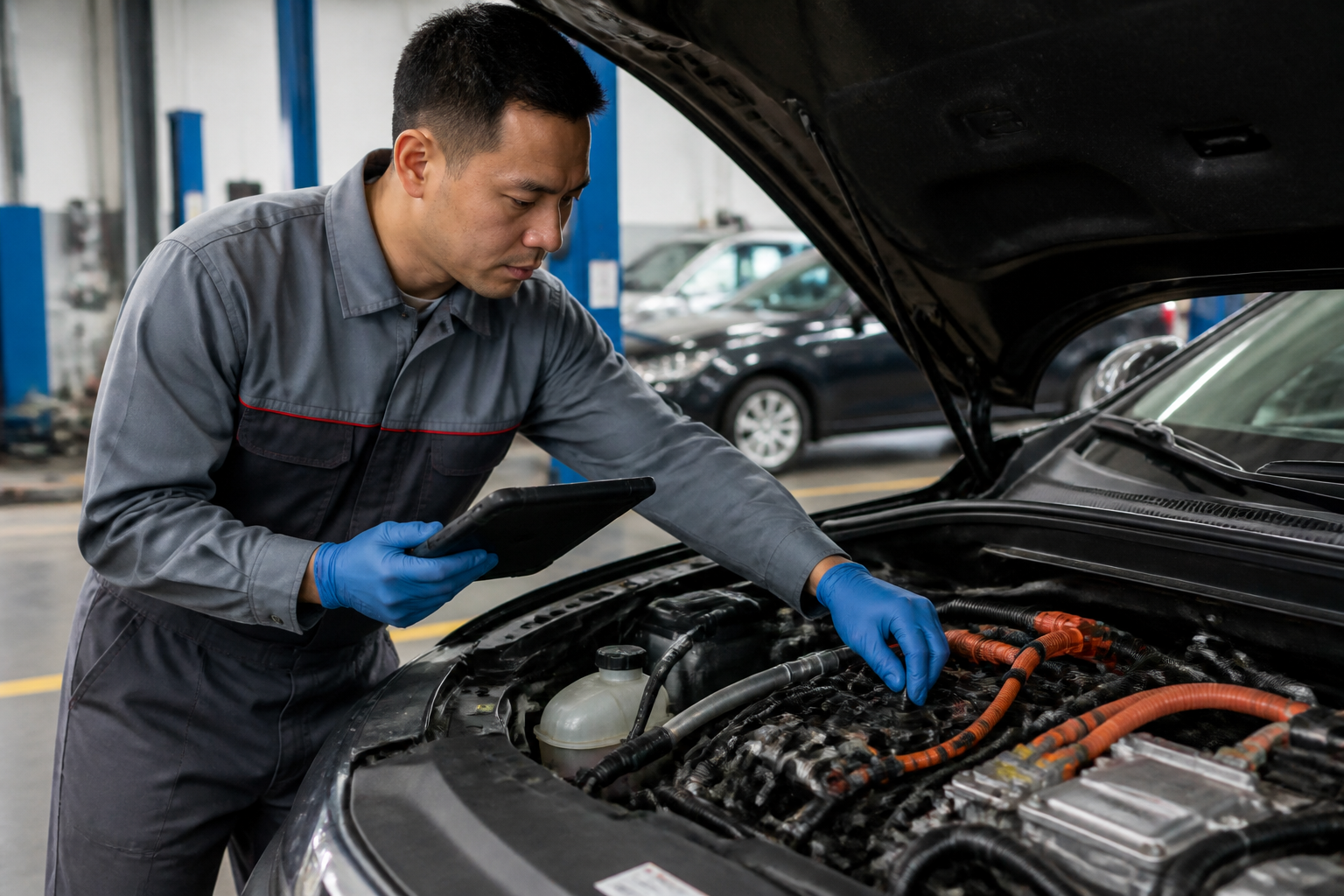
- Hybrid systems: battery-related hardware, cooling parts, and control modules
One blunt question helps: Do Toyota and Honda need extended warranties? For 4-10 year-old vehicles, the honest answer is that condition, service history, and mileage decide it—not the badge on the hood.
This is the part people underestimate.
Why Electronics Coverage Matters on Modern Honda Vehicles
Like explaining it to a smart friend over coffee: modern Honda models pack far more electronics than buyers expect, and a Honda Extended Warranty that skips those parts can leave a real gap. On a Pilot, Odyssey, or hybrid, the trouble spots usually aren’t the engine alone. It’s the screen that freezes, the backup camera that cuts out, the parking sensor that starts false-alerting, or a control module that throws a warning light and sends the car into a weird limp-home mode.
Common electronic trouble spots: infotainment, sensors, cameras, and control modules
In shop terms, three patterns show up again and again:
- Infotainment faults — black screens, Bluetooth drops, failed touch response
- Driver-assist hardware — camera, radar, and sensor faults tied to road hazard damage or calibration issues
- Modules and switches — body control, climate control, and power door systems
That’s why buyers comparing premier auto warranty choices, a premier car warranty, and other used vehicle extended warranty options should read the service contract line by line.
How warning lights, bulletins, and online service information help confirm issues
A dashboard light doesn’t prove a part failed. It points to a fault path. Even the NHTSA database can help confirm patterns: NHTSA recalls and bulletins.
What buyers should check before assuming electronic coverage is included
Here’s what most people miss: whether Toyota and Honda need extended warranties isn’t the right question. The better one is whether the plan names electronics, suspension, and hybrid control parts — or leaves them out. Buyers should also review the owner portal and service schedule through Honda owners’ resources before signing anything.
No shortcuts here — this step actually counts.
Suspension and Powertrain Coverage: What a Honda Warranty Plan Should Actually Protect
Nearly half of post-sale claim disputes on higher-mileage Hondas come down to one basic issue: owners confuse normal suspension wear with a failed covered part. That matters on Pilot and Odyssey models, where front struts, sway bar links, and bushings wear out as mileage climbs, but a failed control arm bushing isn’t the same as a damaged steering rack or broken hub assembly.
Suspension wear versus failed covered parts on Pilot and Odyssey models
On these models, shop history usually shows three patterns:
- Wear items: shocks, struts, bushings, links
- Covered failures: steering components, wheel bearings, and electronic damping parts if equipped
- Gray-area problems: damage after a pothole or other road hazard event
That’s where repair orders and technician notes matter more than a customer’s memory.
Engine, transmission, and transfer components that drive real powertrain risk
The real mechanical risk sits in the engine, transmission, and AWD transfer components. On a used Pilot, that can mean torque converter shudder, internal transmission faults, or transfer case issues; on an Odyssey, it’s more often powertrain stress from heavy family use and deferred fluid service. Anyone comparing used vehicle extended warranty options should focus on those assemblies first.
Maintenance records, road hazard events, and repair history that affect claims
Here’s what most people miss: maintenance records can make or break a claim — especially on a hybrid or high-mileage van. A clean file with oil service, transmission fluid changes, and prior repair history helps support whether a Honda Extended Warranty, premier car warranty, or premier auto warranty plan fits the vehicle. It also answers the real buyer question: Do Toyota and Honda need extended warranties? Used Hondas with unknown history usually make the strongest case.
Should a Honda Extended Warranty Cover Hybrid Systems?
Should a shopper buying a used hybrid Honda care whether the contract spells out battery control parts, inverter hardware, and hybrid cooling components? Yes—they should, because vague language is where trouble starts. A Honda Extended Warranty for a hybrid needs clear terms for the engine, powertrain, control modules, and the electric side of the system, too. That’s the point most buyers miss.
Hybrid-specific parts that need clear coverage language
On older Pilot Hybrid and Accord Hybrid models, the risky parts aren’t just mechanical. The contract should name:
- Battery management and control modules
- Inverter and converter units
- Electric A/C compressor
- Cooling pumps and related sensors
Good service paperwork matters here. For buyers comparing a premier car warranty or a premier auto warranty, the smarter move is to check whether hybrid components are listed in plain English.
How hybrid service and maintenance differ from gas-only Honda models
Hybrid maintenance isn’t the same as a gas-only Odyssey or Rebel bike—different system, different failure points. Brake wear may slow down because of regeneration, but software checks, battery airflow inspection, and hybrid-system diagnostics matter more. That’s why used vehicle extended warranty options should be matched to the vehicle’s service history, not just mileage.
Why older hybrid vehicles need closer contract review before purchase
And here’s the blunt truth: age matters more than badges. On a 2017-era hybrid, electronics and suspension parts can fail before the core engine does. Buyers asking do toyota and honda need extended warranties are really asking whether inherited repair risk is real. It is—especially if maintenance records are thin (or missing).
Is a Honda Extended Warranty Worth It for Commercial Intent Shoppers Comparing Coverage Plans?
Yes—if the vehicle has enough miles and enough unknown history.
That’s the tension most buyers feel while shopping a Honda Extended Warranty: Hondas have a strong powertrain record, but electronics, suspension parts, A/C service items, and hybrid hardware can still turn a good deal into a bad one fast.
How to read a plan for coverage limits, transfer rules, and customer service terms
A smart buyer should check three things in writing:
- Coverage scope: engine, transmission, suspension, electronics, hybrid components, and emissions-related parts
- Transfer terms: whether the plan can move to the next owner
- Claims process: repair approval steps, required maintenance records, and customer service language
For shoppers sorting through used vehicle extended warranty options, that fine print matters more than the sales pitch.
This is the part people underestimate.
What most reviews miss about appointment flexibility and repair-facility choice
Most reviews focus on whether a plan paid a claim. They skip the real-world headache: appointment delays, where the car can go, and whether the customer can keep using a trusted independent shop. A premier car warranty looks better on paper, but a premier auto warranty only helps if the repair process is clear and the service network isn’t restrictive.
When a broader vehicle service contract makes more sense than basic coverage
Here’s what most people miss: basic powertrain protection is often too narrow for a 2017 Pilot, Odyssey, or hybrid model with aging electronics. That’s why the search phrase do Toyota and Honda need extended warranties keeps coming up—buyers aren’t questioning engine life alone; they’re worried about the rest of the vehicle.
Frequently Asked Questions
Is it worth getting a Honda extended warranty?
For a used Honda with 50,000 to 120,000 miles, a Honda extended warranty can make sense if the buyer wants protection from inherited repair risk. In the shop, the failures that hurt most usually aren’t routine maintenance items—they’re things like an A/C compressor, starter, infotainment issue, or torque converter problem. If the vehicle is a daily driver and downtime would wreck the week, coverage matters more.
How much is the Honda extended warranty?
The honest answer is that shoppers shouldn’t fixate on a single number. What matters is the contract term, the parts actually covered, the claim process, and whether repairs can be done at an ASE-certified service facility instead of being tied to one store. A cheap-looking plan with thin coverage is usually the wrong plan.
Why do people say not to get an extended warranty?
Because a lot of drivers buy the wrong contract, never read the fine print, and assume every repair is covered. That’s where the anger starts. A Honda extended warranty only makes sense if the buyer checks the waiting period, maintenance record rules, powertrain terms, electronics coverage, and transfer rules before signing anything.
Can I buy an extended warranty directly from Honda?
Yes, buyers can look at factory-backed options, and they can also compare vehicle service contracts from independent providers. The smart move is simple: compare the repair network, covered components, claim approval process, and whether the plan fits the age and mileage of the Honda. Not every older Pilot, Odyssey, Accord, or CR-V needs the same level of coverage.
What does a Honda extended warranty usually cover?
It depends on the plan.
Some contracts cover major powertrain parts like the engine, transmission, and drive components, while broader plans may add electrical parts, air conditioning, steering, fuel system components, and some electronics. Buyers should always check whether wear items, maintenance service, and pre-existing problems are left out (they usually are).
Is a Honda extended warranty a good idea for a used Pilot or Odyssey?
Often, yes—especially once those models are past factory coverage and sitting in the mileage range where bigger repairs start showing up. A Pilot may face issues with transmission behavior, suspension wear, or active safety components, while an Odyssey can bring sliding door, A/C, and drivetrain headaches. Great vehicles, still machines.
Not complicated — just easy to overlook.
Can I use my own mechanic with a Honda extended warranty?
Sometimes yes, sometimes no. That’s one of the first things to check, because some plans limit where the service work can be done, while others allow any ASE-certified repair shop. Premier Auto Protect notes that flexible repair access is one of the biggest details buyers miss—and it matters a lot once a breakdown actually happens.
Does a Honda extended warranty cover maintenance and wear items?
Usually not. Oil changes, brake pads, tires, filters, wiper blades, alignments, and other routine maintenance items are normally the owner’s responsibility, even under an extended plan. If a contract blurs that line, read it twice.
Can a Honda extended warranty be transferred if I sell the vehicle?
Some plans allow transfer, and that’s useful because it can make a used Honda easier to sell. A transferable contract tells the next buyer that there is still coverage attached to the vehicle, not just promises. That said, the transfer process usually has rules, so buyers need to check the paperwork before assuming it carries over.
What should buyers check before choosing a Honda extended warranty?
Start with four things: covered parts, claim procedure, repair shop flexibility, and maintenance documentation requirements. [redacted] look at the waiting period, cancellation terms, and whether the contract makes sense for the vehicle’s age, mileage, and known weak spots—because a hybrid Accord isn’t the same risk profile as an older gas Pilot. That’s where smart shopping starts.
For used Pilot, Odyssey, and hybrid shoppers, the real question isn’t whether a contract sounds good on paper. It’s whether the language matches the parts most likely to create trouble after factory coverage ends. Electronics matter because modern Hondas rely on cameras, modules, sensors, and screens for everyday function—not just convenience. Suspension matters because there’s a big difference between normal wear and a failed covered component. And hybrid coverage needs extra scrutiny, since vague wording around battery-related control parts and electric-drive hardware can leave big gaps fast.
A Honda Extended Warranty only earns its place if the buyer reads past the sales pitch and checks the contract itself. That means verifying covered systems, looking at repair-facility rules, confirming transfer terms, and matching the plan to the vehicle’s age, mileage, and service history. Before signing anything, the buyer should pull the sample contract, mark every section covering electronics, suspension, and hybrid components, and have a trusted ASE-certified mechanic review those pages alongside a pre-purchase inspection report. That’s the move that separates real protection from false confidence.


