Amid rising living costs, Japanese consumers are increasingly changing their spending habits, with self-carried water bottles and homemade lunches becoming a growing trend. Both market sales and search interest are showing steady increases.
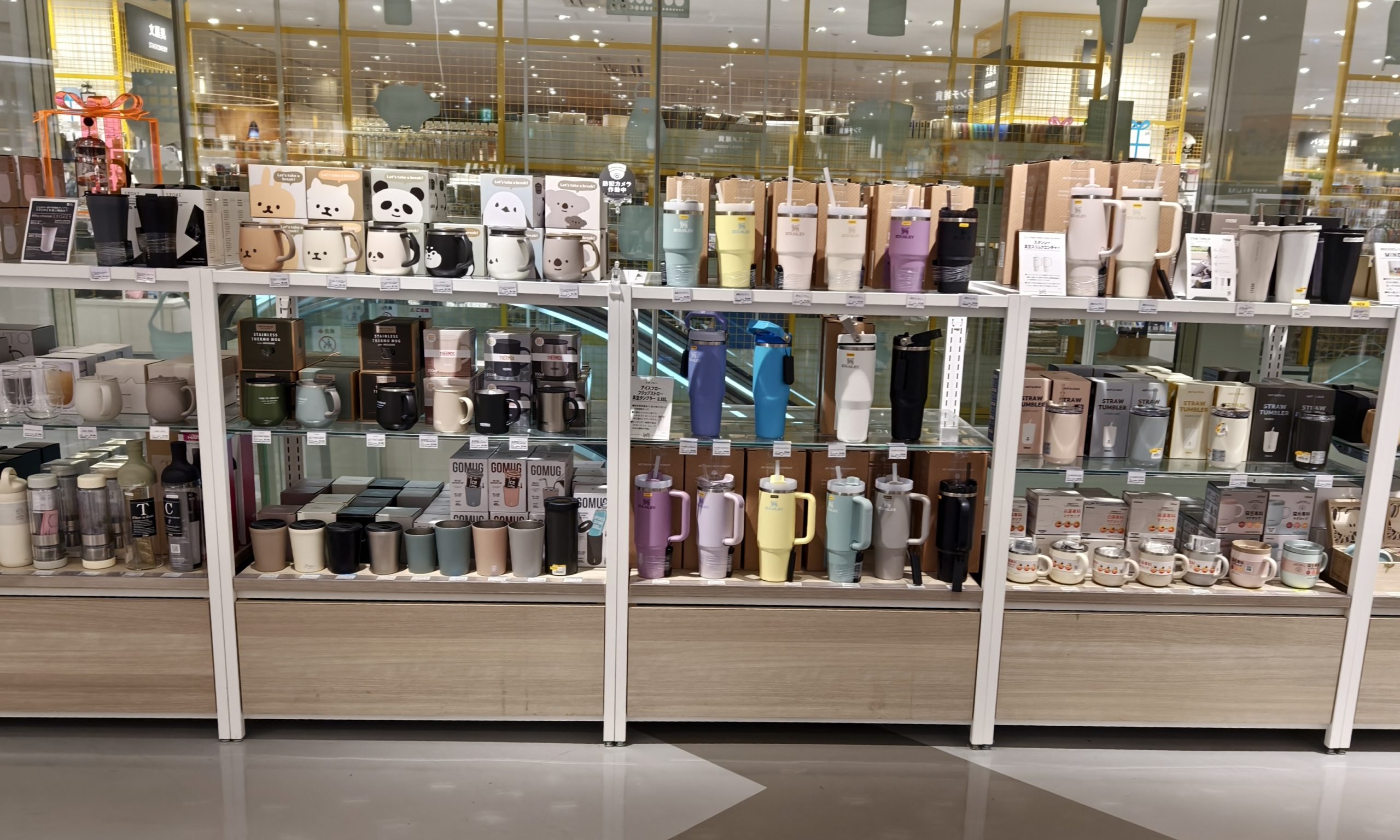
TOKYO, JAPAN (MERXWIRE) – In Japan, more consumers are cutting back on spending for beverages and dining out due to ongoing price increases. As a result, self-carried water bottles and lunch boxes are becoming part of everyday life, driving notable growth in related product sales.
According to a Japanese household goods retailer, water bottle sales rose 12% year-on-year in the first half of this month. Lightweight plastic bottles and small-capacity designs were among the most popular. Lunch box sales increased 16% year-on-year, with strong demand for products featuring insulation or freezer-safe functionality.
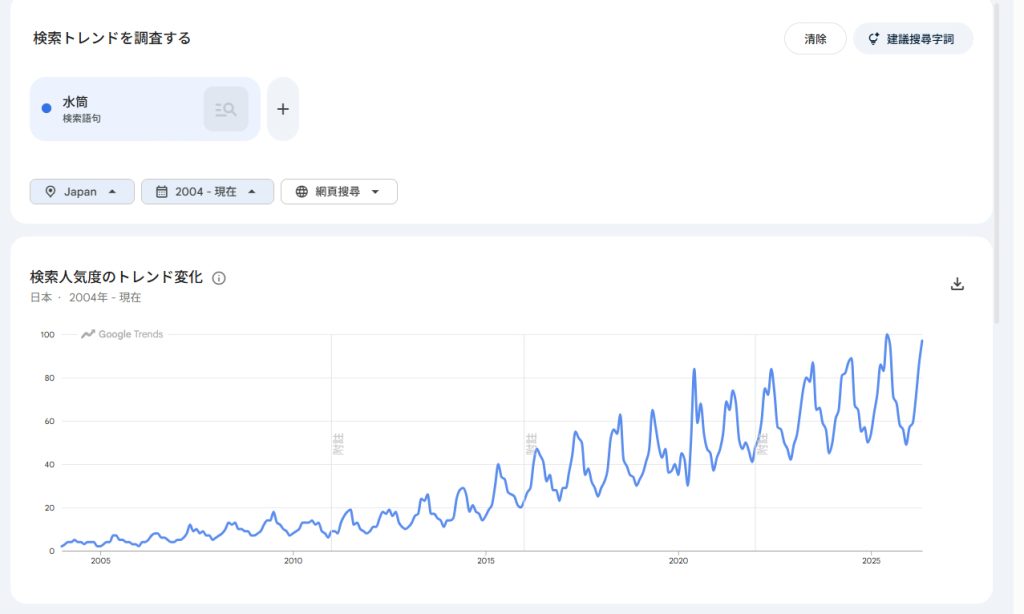
As average temperatures in Japan continue to rise, water bottles have also become an essential daily item for going out. Google Trends data shows that search interest for “水筒” (water bottle) has been steadily increasing in recent years, reflecting a growing tendency to carry personal drinking water to reduce spending on bottled beverages.
Search interest for “弁当” (bento) has also continued to rise. According to Google Trends, April is the peak month for “bento” searches each year, driven by the start of the school and working year for students and new employees. Popular related search terms include “弁当箱” (lunch box), “弁当 レシピ” (bento recipes), and “弁当 おかず” (bento side dishes), indicating a growing preference for preparing meals at home.
Against the backdrop of rising prices and increasing living costs, Japanese consumption patterns and daily lifestyles are undergoing gradual change. In addition to rising searches for “水筒” and “弁当,” Google Trends also shows increasing interest in terms such as “節約” (saving money) and “作り置き” (meal prepping), reflecting a broader shift toward cost-saving and self-managed lifestyles in the post-pandemic, inflation-driven environment.
In terms of saving behavior, keywords such as “節約” and “ポイ活” (points-based reward activities) remain consistently popular, suggesting that consumers are adopting multiple strategies to reduce daily expenses across food, shopping, and general consumption.
The Consumer Aesthetics and Cultural Tourism Society Japan stated that Japanese consumption behavior is shifting from convenience-oriented choices toward value- and awareness-driven decisions. Consumers are no longer focused solely on immediate convenience, but increasingly emphasize long-term cost efficiency, health management, and quality of life. The widespread adoption of self-carried water bottles and homemade lunches is not only a cost-saving measure, but also evolving into a lifestyle choice that combines environmental awareness with aesthetic values.
The organization further noted that in the tourism and cultural consumption sector, the rise of “self-sufficient lifestyles” is also influencing urban travel behavior. More travelers are choosing reusable lifestyle products and practicing “light consumption” during trips, creating new opportunities for regional cities and lifestyle brands to develop tourism and retail models.
A student in Tokyo said she now brings barley tea and homemade lunches every day, adding: “I used to have my mother prepare my lunch, but now I sometimes try making it myself.”
A salary worker in Tokyo, during her lunch break while eating a self-prepared meal, said she has maintained meal-prepping habits since the pandemic: “I prepare several days’ worth of lunches at once. It saves time and reduces the daily stress of deciding what to eat. My water bottle has also become essential.”
Analysts note that post-pandemic lifestyle changes, combined with rising prices and remote work trends, have accelerated the shift toward home cooking and more structured household management. Inflation pressures have further strengthened consumer demand for high cost-performance and sustainable lifestyles.
Overall, Japanese society is gradually transitioning from a convenience- and dining-out-oriented lifestyle toward one centered on saving, self-preparation, and efficiency, a shift that continues to reshape related product markets and services.
Media Contacts:
Consumer Aesthetics and Cultural Tourism Society Japan
PR Agency:
MERXWIRE INC.
Ada Huang
pr@merxwire.com
SOURCE: Consumer Aesthetics and Cultural Tourism Society Japan


